Couples Therapy and Marriage Counseling in Los Angeles
Virtual sessions throughout California
The argument is almost never about what the argument is about.
Most couples do not come in because of one fight. They come in because of the pattern underneath it, the one where the same conversation ends the same way no matter how it starts. Therapy makes that pattern visible so you can step out of it together, rather than taking turns being the problem. We work with couples of all genders and orientations, whether you are dating, engaged, newly married, or decades in.
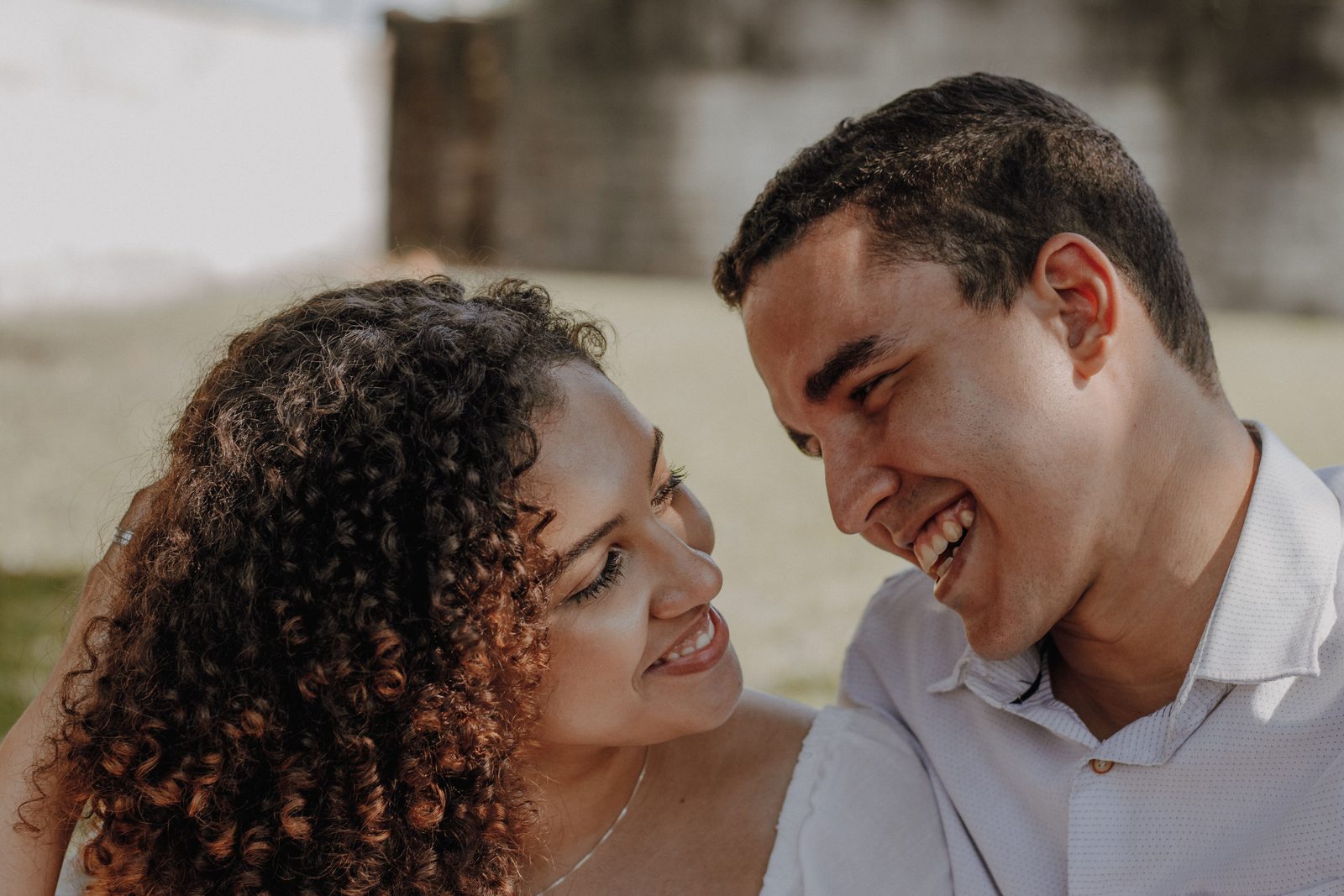
You Might Be Here Because…
- You are having the same argument you had last month, in slightly different words
- One of you brings it up, the other shuts down, and nothing moves
- You are careful around each other in a way you did not used to be
- You text more easily than you talk
- Something happened, you both apologized, and it still is not settled
- You cannot remember the last time you laughed together
- You feel more like roommates than partners
- One of you wants more closeness and the other wants more space
- A baby, a move, or a job change knocked you off balance and you have not found your footing
- You still love each other and cannot seem to reach each other
- You want to rebuild and strengthen your bond
Couples Therapy Can Help With:
- Improving communication
- Rebuilding trust
- Managing conflict
- Strengthening emotional and physical intimacy
- Creating a deeper connection
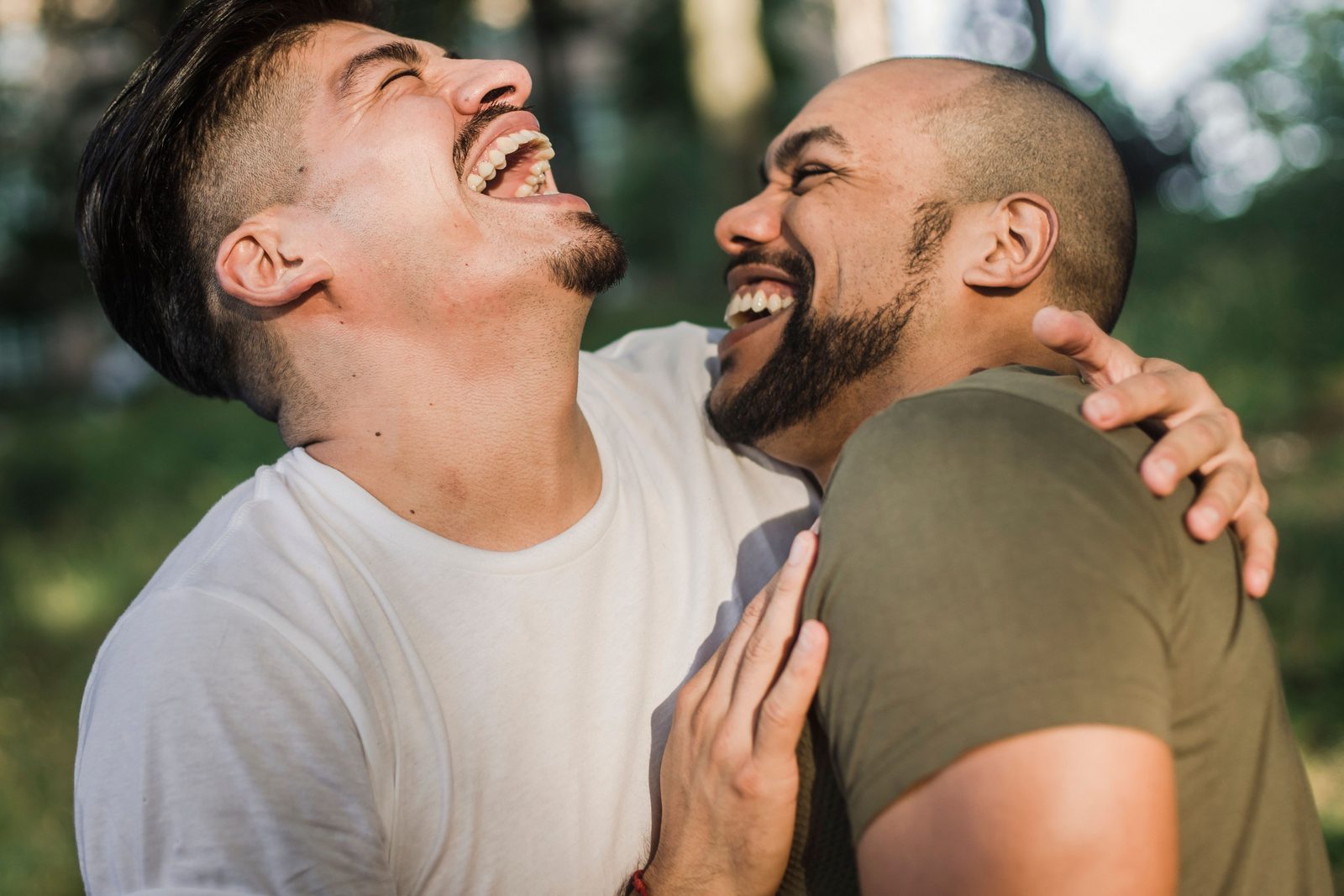
Imagine Life Together
- Feeling heard, valued, and understood
- Communicating with respect and ease
- Resolving conflict without losing connection
- Feeling emotionally and physically close
- Supporting each other through life's challenges
- Building the kind of relationship you both deserve
How Therapy Helps
Couples therapy provides a supportive space to understand what's getting in the way of your connection and learn new ways to relate. Using Emotionally Focused Therapy (EFT) and other evidence-based approaches, we'll uncover patterns, heal wounds, improve communication, and create a stronger, more fulfilling partnership.
- Uncover the patterns keeping you disconnected
- Heal emotional wounds and rebuild trust
- Communicate in ways your partner can hear
- Reconnect emotionally and physically
- Create a stronger, more fulfilling partnership
- Start couples counseling on your schedule, with online sessions across California
What We Help Couples With
Communication that keeps breaking down
Learn to say what you actually mean, and to hear what your partner is really asking for underneath the frustration.
The same argument on repeat
Identify the cycle you get stuck in, understand what drives it, and find a different way through recurring conflict.
Infidelity and rebuilding trust
Work through betrayal at a pace you can both tolerate, whether you are repairing the relationship or seeking clarity about it.
Emotional and physical intimacy
Reconnect when closeness has faded, and talk openly about needs that have felt too difficult to raise.
Premarital counseling
Talk through money, family, expectations, and conflict styles before marriage, so you start with a shared foundation.
Major life transitions
Navigate moves, new careers, becoming parents, blending families, grief, and the strain these put on a partnership.
Our Approach: Emotionally Focused Therapy
Emotionally Focused Therapy (EFT) is one of the most researched approaches to couples work. Rather than assigning blame or teaching scripts, it focuses on the emotional cycle underneath your conflict and helps you build a more secure bond. Here is what that looks like in practice.
De-escalating the cycle
First we slow things down and map the pattern you fall into during conflict, so it becomes something you can see together rather than something that keeps happening to you.
Understanding what is underneath
Beneath most arguments are softer feelings, such as fear of not mattering or of being left. We help you put words to those and share them safely.
Creating new conversations
You practice reaching for each other differently, and responding differently, until those new interactions start to feel natural outside the room.
What if my partner isn't sure about therapy?
This is one of the most common things we hear, and it doesn't mean therapy is off the table. Plenty of people start on their own, work on their side of the pattern, and find their partner becomes more open once it's clear the process isn't about deciding who is at fault. You're welcome to use your free consultation just to talk through how to bring it up.
Meet Our Los Angeles Couples Therapists
View All Therapists →Swipe to see more therapists


Victoria Soneff
AMFT
- Couples Therapy
- Anxiety & Depression
- ADHD
- Relationship Challenges (ENM-Friendly)



Ally DiCuffa
AMFT, APCC
- Couples Therapy
- Relationship & Attachment
- Anxiety & Self-Trust
- Life Transitions & Identity
Frequently Asked Questions
What is couples therapy?
Couples therapy is a space where you and your partner work together with a therapist to understand what is getting in the way of your connection. Rather than assigning blame, the focus is on the patterns between you and how to change them.
How do we know if therapy is right for us?
If conversations turn into arguments, you feel distant, or you keep having the same conflict without resolution, couples therapy can help. You do not need to be in crisis; many couples come simply to strengthen a relationship that already works.
What happens in couples therapy?
We start by understanding your relationship history, current concerns, and goals as a couple. From there, your therapist helps you identify the cycle you get stuck in and guides you toward new ways of communicating and reconnecting.
How long does couples therapy take?
This depends on your goals and what you are working through. Many couples notice meaningful shifts within a few months of consistent sessions, and your therapist will review progress with you along the way.
Do you offer in-person or virtual sessions?
We offer virtual couples sessions for partners located anywhere in California, which many couples find easier to schedule together. Some therapists also have limited in-person availability in Los Angeles.
Do you take sides?
No. Your therapist is there to support the relationship, not to decide who is right. The goal is for both partners to feel heard and understood, including when you see a situation differently.
Can couples therapy help if we've thought about separating?
Yes. Couples therapy can help you work toward repair, and it can also help you gain clarity about what you both want. Either way, therapy provides a space to make that decision thoughtfully rather than reactively.
What if my partner doesn't want to come?
This is one of the most common things we hear, and it does not mean therapy is off the table. Many people start individually, work on their own patterns and how they show up in the relationship, and find their partner becomes more open once it is clear the process is not about assigning blame. We can talk through how to invite them during your consultation.
Do you offer premarital counseling?
Yes. Premarital counseling is a chance to talk through money, family expectations, intimacy, and how you each handle conflict before those topics arrive under pressure. Many couples find it is the most practical investment they make before marrying.
Can couples therapy help after infidelity?
It can. Recovering from an affair takes time, and the early work focuses on stabilizing what you are both feeling before making any decisions about the future. Some couples rebuild trust and come out more connected than before; others gain the clarity to move forward separately. Your therapist will not push you toward either outcome.
How long are couples sessions?
Couples sessions run 50 minutes and both partners attend together. Many couples meet weekly at first and move to every other week as things stabilize, though your therapist will recommend a pace based on what you are working through.
Couples Therapy and Marriage Counseling in Los Angeles
Coordinating two schedules is often the hardest part of starting couples therapy, which is why we see most partners virtually. That means you can join from the same room or from two different offices, anywhere in California. We work with couples across Los Angeles, from Culver City and Playa Vista to Santa Monica, Brentwood, and the Westside, whether you're dating, engaged, newly married, or decades in.

You Don't Have to Face This Alone
Take the first step toward a stronger, more connected relationship. Schedule your free consultation today and we'll help you find the right therapist, or thoughtfully match you with someone who fits your goals.
Consultations are free and take about 15 minutes. Couples sessions are 50 minutes with both partners together, held virtually anywhere in California.
Specialized Care
Therapists with advanced training in the areas that matter most to you.
Personalized Matching
We'll help you find the right therapist for your needs.
Private Pay Practice
Personalized care without insurance limitations.
Safe, Supportive Space
A warm, inclusive environment where healing can happen.
Clinically reviewed by Keisha Libbrecht, LMFT, License LMFT #119480 · Last reviewed August 6, 2026
This page is for general information and is not a substitute for individual clinical advice.